
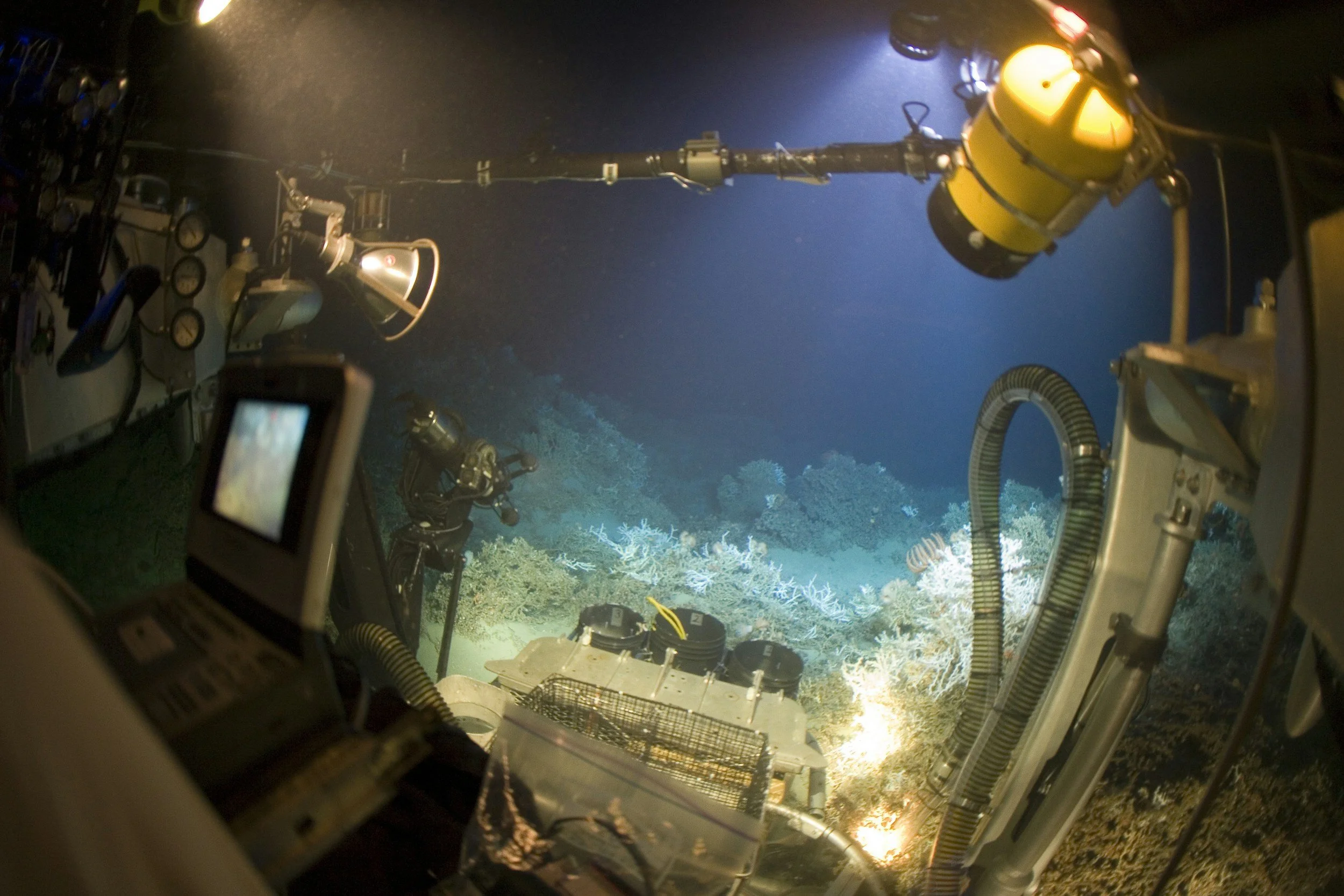
Autonomous Underwater Vehicle (AUV /ROV) object detection models for subsea surveys
Situation
A leader in deep-sea AUV/ ROV operations, faced challenges in survey data processing both onshore and offshore. This hindered efficient monitoring and evaluation of valuable subsea infrastructure and debris fields.
Task
Develop semi-autonomous machine learning models to reliably assess objects from high quality video and images for classification and associated data quality metrics — minimizing manual effort in post processing and supporting time critical on-board mission goals.
Actions
Collaborated with the onshore and offshore teams to collect and manually label image and video material for model training.
Engineered a model ensemble:
Integrated three image analysis models (CNN, Local Binary Pattern + SVM, Decision Tree) into a “majority rule” consensus system for robust visibility assessment and object detection in the survey area.
Optimized for real-world use:
Built an easy interface for remote teams, deployable on edge hardware—with no internet required.
Provided clear visualizations and audit logs for oversight and future improvements.
Results
Accuracy: Achieved up to 95% recall and 90% precision in classifying video quality and detect /classify objects of interest in the survey field.
Efficiency: Slashed manual QA workload and reduced costs linked to unnecessary video recapture.
Reputation: Enabled business to deliver higher-quality inspection and detection data, strengthening client trust.
Scalability: Designed a modular, future-proof solution adaptable for new requirements and advancing full automation.